Who are these lessons for?
If you recognise yourself in even one of these, the practice will be useful
Stress and burnout
You live at high revs and feel your reserves running out. You need a way to recover, not just to switch off.
Back, joints, sleep
Back, joints, sleep, chronic fatigue. You are looking for a gentle but systematic approach to restoring the body.
You want to start meditating
But you do not know how, or you tried and gave up. You need a guide and a clear, workable system.
You already practise taiji or qigong
But you want to go deeper into the internal aspects, meditation and attention work under an experienced teacher.
What do the lessons include?
Three disciplines you can combine within your own programme
Mindful movement
Soft, flowing taijiquan forms, joint mobility work and bodywork. Supports recovery and active longevity. No physical preparation needed.
Meditation and mindfulness
Secular practices for mental clarity. Managing attention and stress, integrated into everyday life. No mysticism or esoterica.
Qigong and breathing
Work with breath and internal energy. Deep relaxation, recovery, prevention. A powerful tool for self-regulation.
How does a one-on-one lesson work?
It is simple: a mat, two square metres and a stable connection
One-on-one, fully online
Lessons run over Zoom or Google Meet. Just you and the teacher — full attention on your practice.
The programme is built around you
Your goals, state of health and level of preparation are taken into account. The programme is adjusted as you progress.
45–60 minutes of practice
The optimal length for deep work without fatigue. No special equipment required.
A recording for your own practice
After every lesson you receive a video recording, so you can repeat the exercises on your own between sessions.
What does the practice look like?
The joint mobility warm-up sequence that opens a lesson. Joints are worked through from the top down, with no weights and no jumping. Shown in full, at the pace it is done in a lesson.

A breakdown of the sequence: what gets worked, when to do it, and the full transcript
Who teaches the lessons?
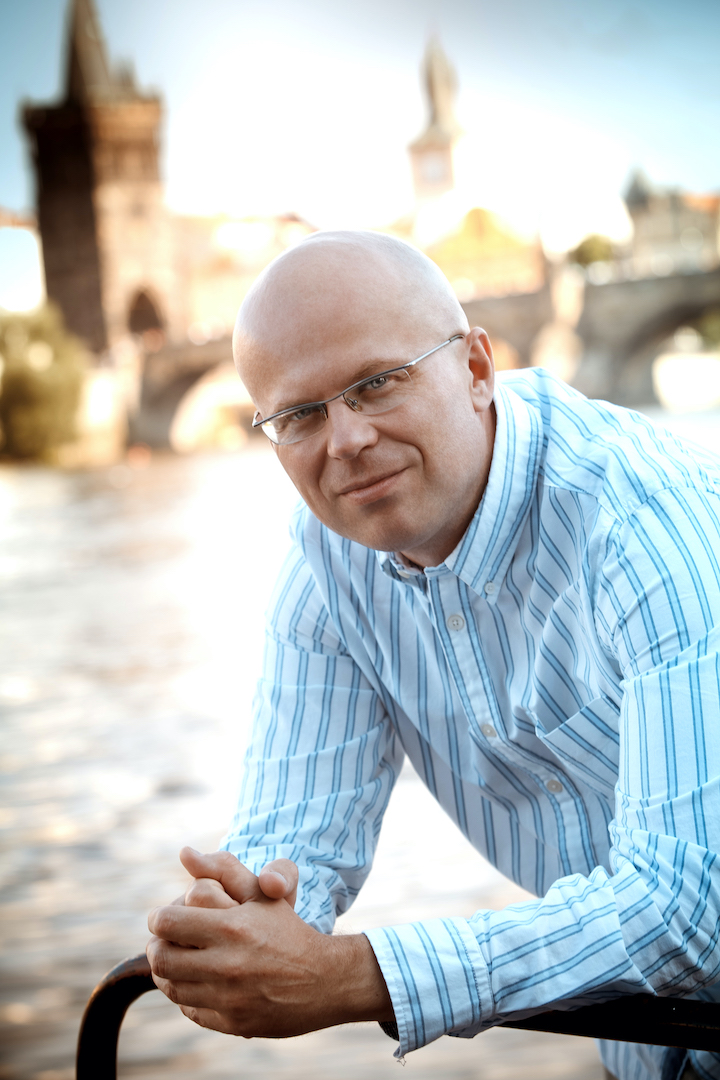
Valdas
I teach the lessons myself. Over 30 years of practice in traditional Eastern systems of health cultivation. Certified educator, physical culture specialist, authorised instructor of Chen Shi Xinyi Hunyuan Taiji.
Experience in individual and group teaching and in organising international seminars. I teach in Russian, English, Polish and Czech.
Based in Europe. Working online with students worldwide.
A practice journal: Telegram channel «一期一会 | Valdas».

Valdas is my brother in the Chen Shi Xinyi Hunyuan Taiji school: we are both personal students of Master Maken Isakov (lineage: Maken Isakov — Feng Zhiqiang — Chen Fake). Valdas trained under the master and is authorised to teach the school's health direction. I confirm his qualification as an instructor.
Credentials & lineage
Chen Shi Xinyi Hunyuan Taiji — authorised instructor. Lineage: Maken Isakov — Feng Zhiqiang (founder of the style) — Chen Fake (17th generation of the Chen style).
Tenshin Shoden Katori Shinto-ryu — 1st dan. Lineage: Yaroslav Sodritsov — Alain Floquet / Sugino Yukihiro sensei.
Also trained under: Mikhail Baev (Yang-style taijiquan), Pavel Levushkan (New School of Contemplation), Oleg Nazarov (Wu Chan Zhong Qigong) and others.

How much does a lesson cost?
Start with a free intro call — no commitment
€22.50 per lesson — the best fit for building a regular practice
BookThe introductory price applies to the first 10 students until 30 September 2026 and stays with the student for as long as they keep training.
Frequently asked questions
Do I need experience or physical fitness?
No, neither experience nor physical fitness is required. The programme adapts to any level, from an absolute beginner to an advanced practitioner. We start with the fundamentals and move at your pace.
What equipment do I need for the lessons?
A mat (or a non-slip floor) and roughly two by two metres of clear space. Nothing else is needed — there is no special equipment.
What happens in the first lesson?
The first lesson is a free 20-minute intro call: we discuss your goals and state of health and do a short trial practice. After that I put together an individual programme for you.
How much does a lesson cost?
A single lesson is €25 at the introductory price instead of the €45 base price. A pack of 4 lessons costs €90 instead of €160, and a pack of 8 costs €160 instead of €280. The 20-minute intro call is free. The introductory price applies to the first 10 students until 30 September 2026 and stays with the student for as long as they keep training.
What languages are the lessons taught in?
Russian, English, Polish and Czech. Choose whichever is most comfortable for you.
Can I practise if I have health problems?
Yes, the programme takes limitations into account and adapts to your condition. For serious conditions, consulting your doctor beforehand is recommended.
Who is this not for?
The lessons are not suitable in three cases.
- If you need a replacement for medical treatment. This is a health practice, not therapy: it does not override your doctor’s prescriptions.
- If you need combat sports or competitive training. There are no applied or competitive sections in the programme.
- If you expect results without your own work. One lesson a week without fifteen to twenty minutes of practice in between produces no noticeable effect.
Are there any contraindications?
The format is gentle: stance height, range of movement and the number of repetitions are chosen individually, and any movement can be reduced or replaced. Even so, you should clear the lessons with your doctor first if you have acute pain in the back, neck or joints at the outset; a recent operation or injury; dizziness or balance problems; uncontrolled high blood pressure; or you are pregnant. The decision about acceptable load rests with the doctor, not the instructor.
Is taiji bad for the knees?
The knees are the most vulnerable place in taiji, and almost every problem comes from two causes: the knee drifts sideways away from the foot, and the stance is taken too low. In group classes this often goes unnoticed. In a one-on-one format the stance height is chosen for the specific person, and every lesson is recorded on video, so joint alignment can be reviewed again and slowly. Someone who stands higher and moves with a smaller range is practising fully.